Start your project today — share your needs, and we’ll follow up with solutions, pricing, and expert support.
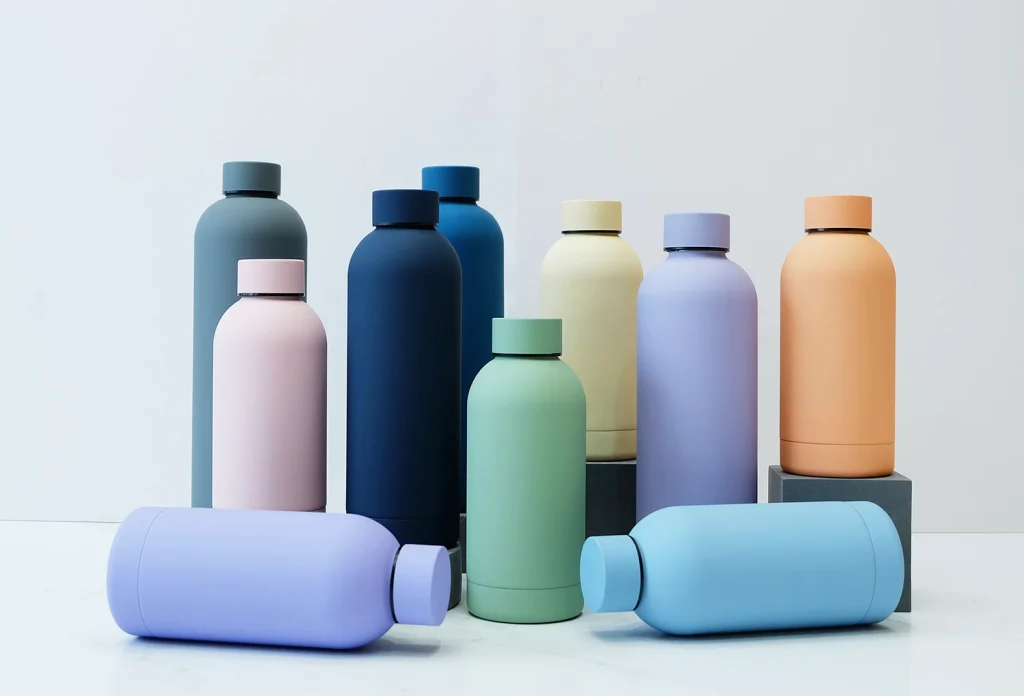


For those who pursue a healthy drinking experience, it is becoming increasingly important to understand what is the best hydrogen water. Hydrogen rich water has attracted much attention for its antioxidant and metabolic-promoting potential. However, the key technical core that determines the quality of a hydrogen rich water cup – hydrogen separation technology, is the core that truly affects water quality, hydrogen concentration, safety and user experience. This article will deeply analyze the evolution of hydrogen generation technology, take you to see the scientific logic behind the technology, and help you choose a truly professional hydrogen rich water cup.
Principle introduction: The first-generation technology is based on a simple water electrolysis reaction: 2H₂O → 2H₂ + O₂. But it does not separate hydrogen and oxygen, so hydrogen and oxygen are released into the water at the same time.
Main features:
Applicable people: Only suitable for beginners who want to understand the concept of best hydrogen water, and it is not recommended to drink it for a long time.
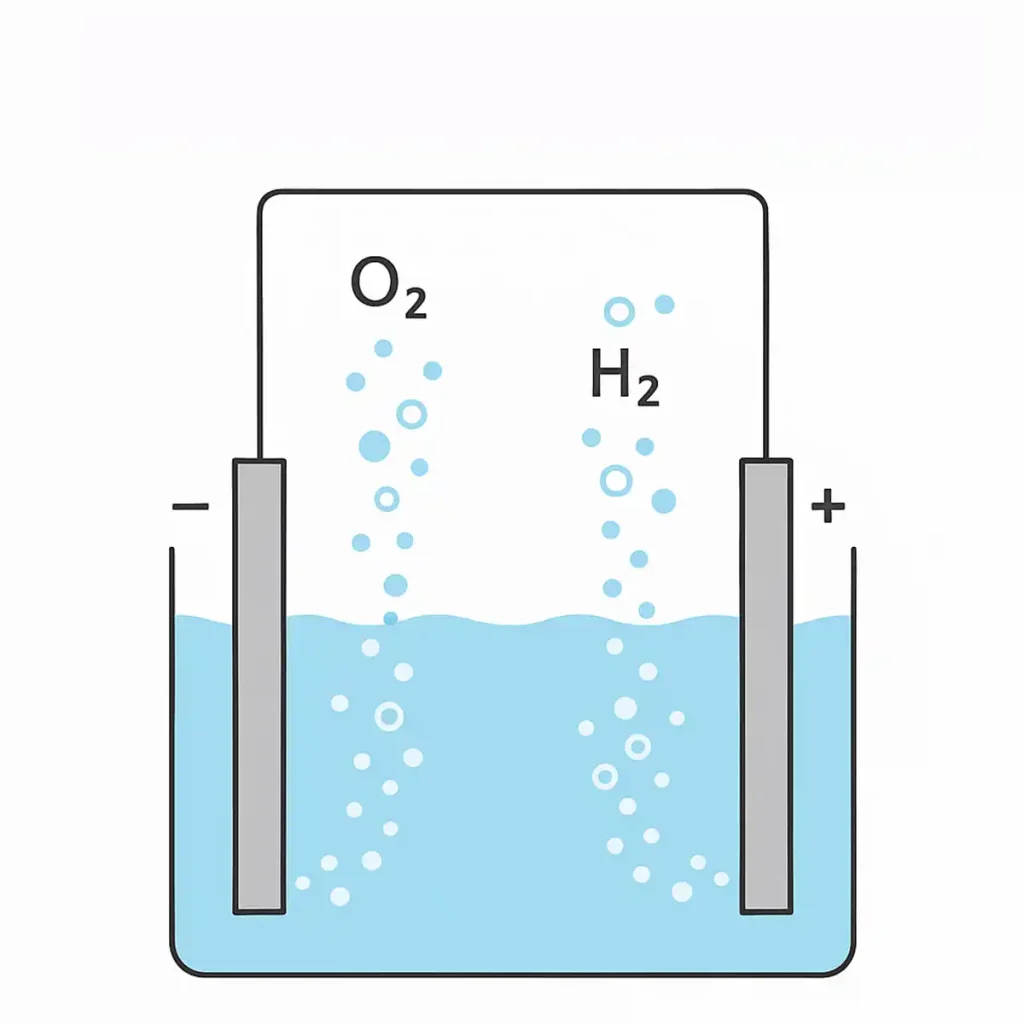
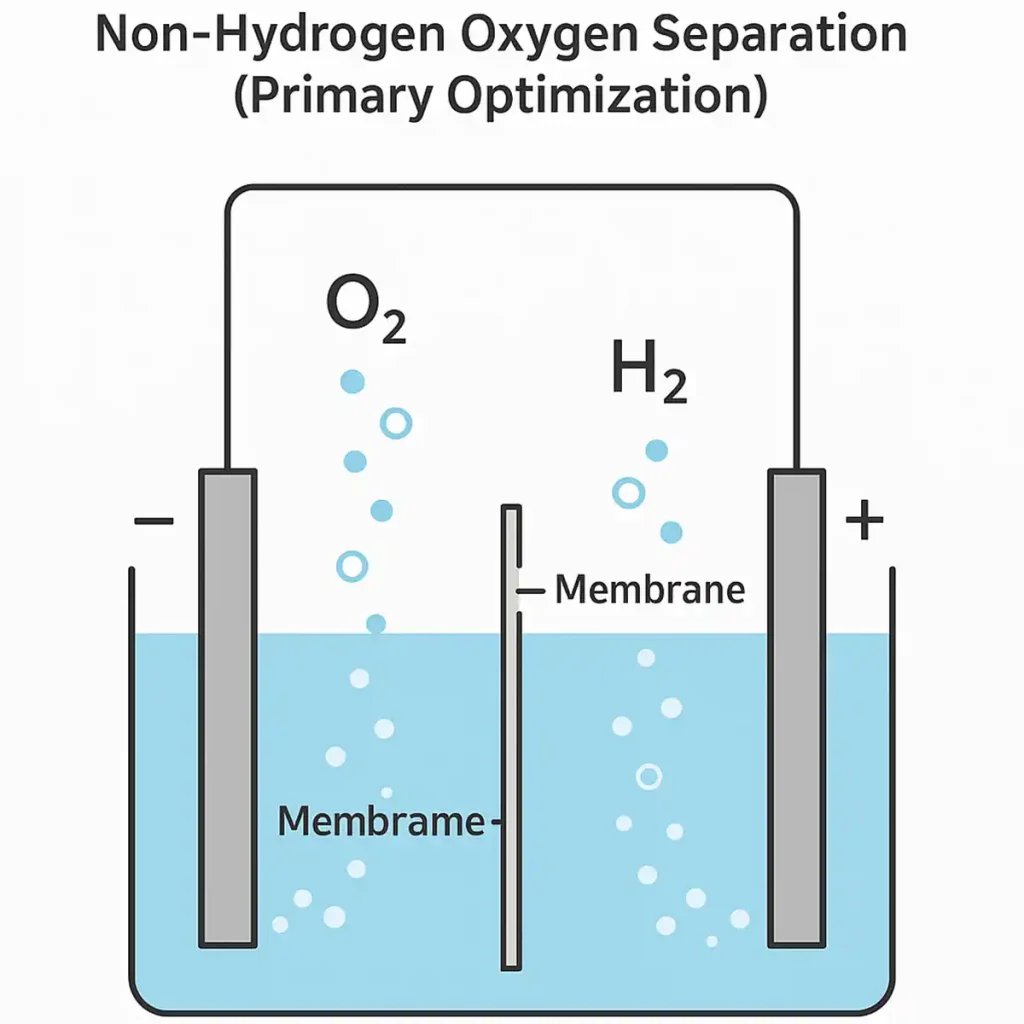
Principle introduction: On the basis of the first generation, an electrolytic diaphragm is added to try to isolate hydrogen and oxygen to a certain extent.
Main features:
Applicable people: Consumers who have a preliminary demand for hydrogen water and pursue a certain quality but have a limited budget.
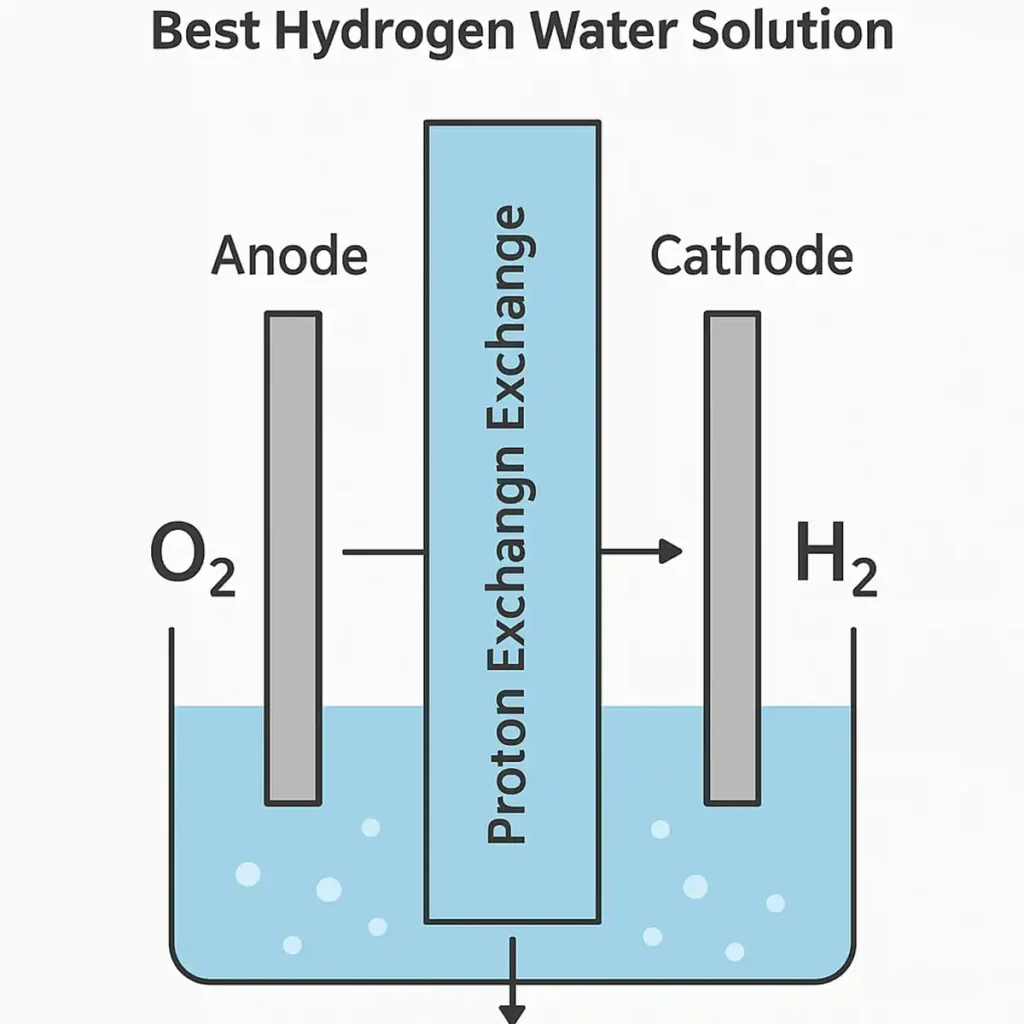
Principle introduction: Proton exchange membrane (PEM) is used to completely isolate hydrogen generated by electrolysis from oxygen, and hydrogen enters drinking water through the proton conduction membrane.
Main features:
Applicable people: Professional consumers who value water safety and hydrogen concentration. Compared with other types of water cups, hydrogen rich water cups equipped with third-generation or higher technology have obvious advantages in performance and water quality.
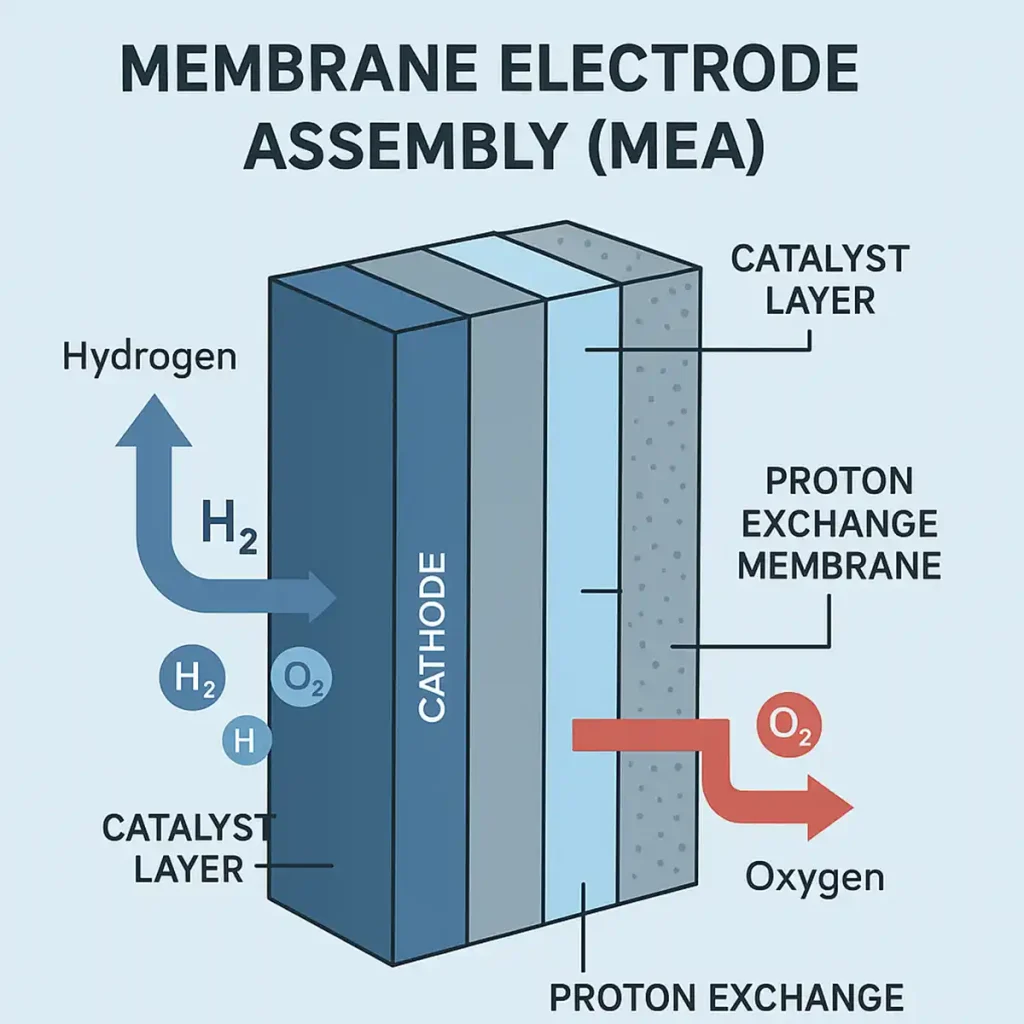
Principle introduction: Membrane electrode assembly (MEA) technology is highly integrated based on PEM, integrating electrodes and membranes to achieve more efficient hydrogen production.
Main features:
Applicable people: high-end users, health management personnel or medical institutions who have a deep demand for hydrogen water. The fourth-generation membrane electrode technology is considered by many professionals to be one of the best solutions for creating the best hydrogen water.
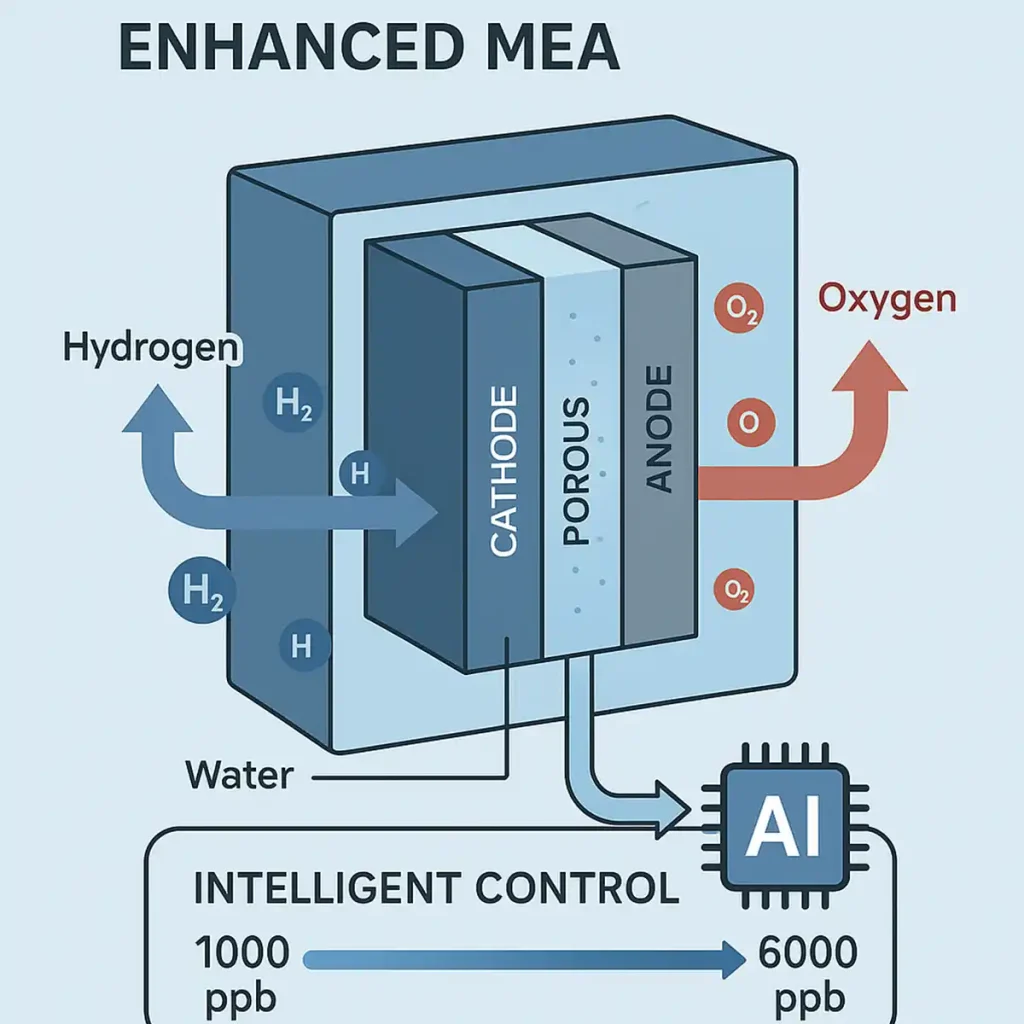
Principle introduction: Further development on the fourth-generation MEA technology, through dual-chamber independent control and dual-electrode structure to improve electrolysis efficiency and stability, can intelligently control concentration and automatically clean electrodes.
Main features:
Applicable people: technology enthusiasts, smart home users, health monitoring people.
Although the sixth generation technology has not yet been commercialized, there are currently multiple research directions being promoted:
Miniaturize the electrolysis equipment and embed it into the bottom or cover of the water bottle;
Wireless charging, energy saving and environmental protection;
Generate hydrogen in an external device and inject it into the water through a pipe or gas channel;
Can realize the parallel application scenarios of hydrogen-rich drinking water and washing, care, and medical treatment.
Future prediction: The sixth-generation technology may break the traditional concept of “drinking while making” and open a new era of intelligent hydrogen water in the form of “centralized hydrogen production + multi-end output”.
| Generation | Hydrogen Concentration | H₂/O₂ Separation | Technology Maturity | Typical Configuration |
|---|---|---|---|---|
| 1st Gen | 300–500 ppb | ❌ No | ★ | Stainless steel electrodes + regular water |
| 2nd Gen | 600–1000 ppb | ⚠️ Partial | ★★ | Electrolytic membrane + basic separator |
| 3rd Gen | 1500–3000 ppb | ✅ Yes | ★★★ | Titanium electrodes + proton exchange membrane |
| 4th Gen | 3000–6000 ppb | ✅ Yes | ★★★★ | MEA (Membrane Electrode Assembly) system |
| 5th Gen | Smart-adjustable | ✅ Intelligent control | ★★★★☆ | Dual-chamber + dual electrodes with AI system |
If you just want to experience the taste of hydrogen rich water, you can choose products with the third generation technology or above; if you pursue high concentration, stability and safety, then the fourth generation membrane electrode integrated technology is the best choice for cost performance. If you want to be one step ahead in the market and pay attention to technological progress and cutting-edge trends, the fifth or even sixth generation technology will become a direction worth paying attention to.
In the future, the best hydrogen water technology will not only stay at the drinking level, but will gradually extend to medical, sports, family health management and other fields. For everyone who pursues a healthy life, in addition to knowing the health benefits of hydrogen water, understanding the technological evolution behind hydrogen-rich water is also an important way to consume rationally.
Whether you are a technology enthusiast, a health expert, or a medical professional, understanding each generation of hydrogen production technology is the key first step to find the best hydrogen water product.
Remember: not all hydrogen-rich water cups are trustworthy, the key lies in the core technology behind them.
Next time you buy, don’t just look at the price, but also look at the confidence of “hydrogen”!