Start your project today — share your needs, and we’ll follow up with solutions, pricing, and expert support.
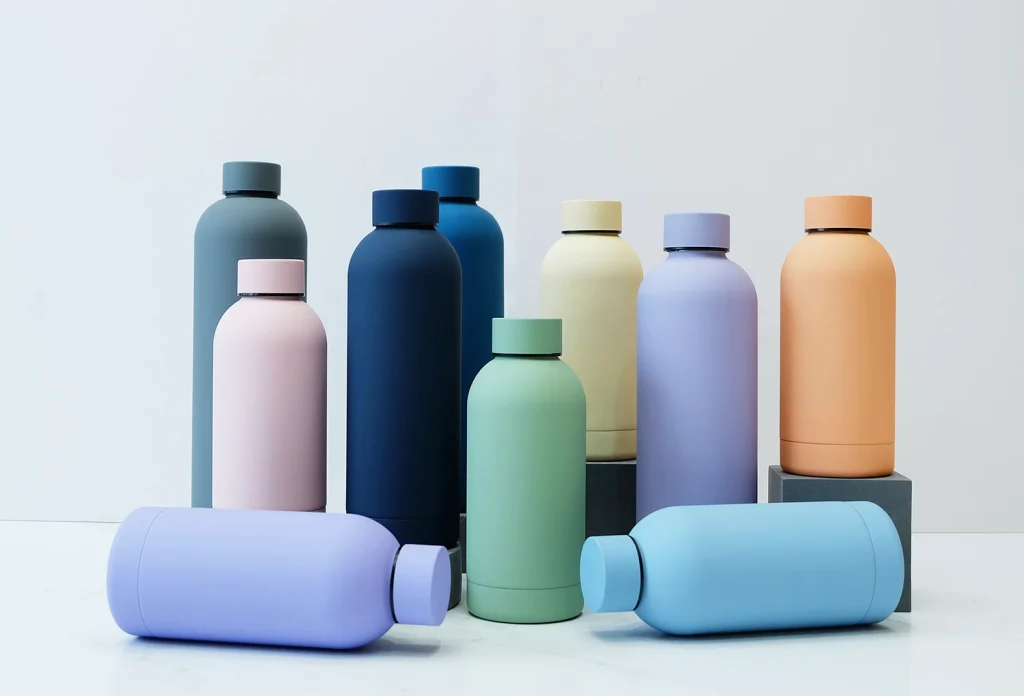

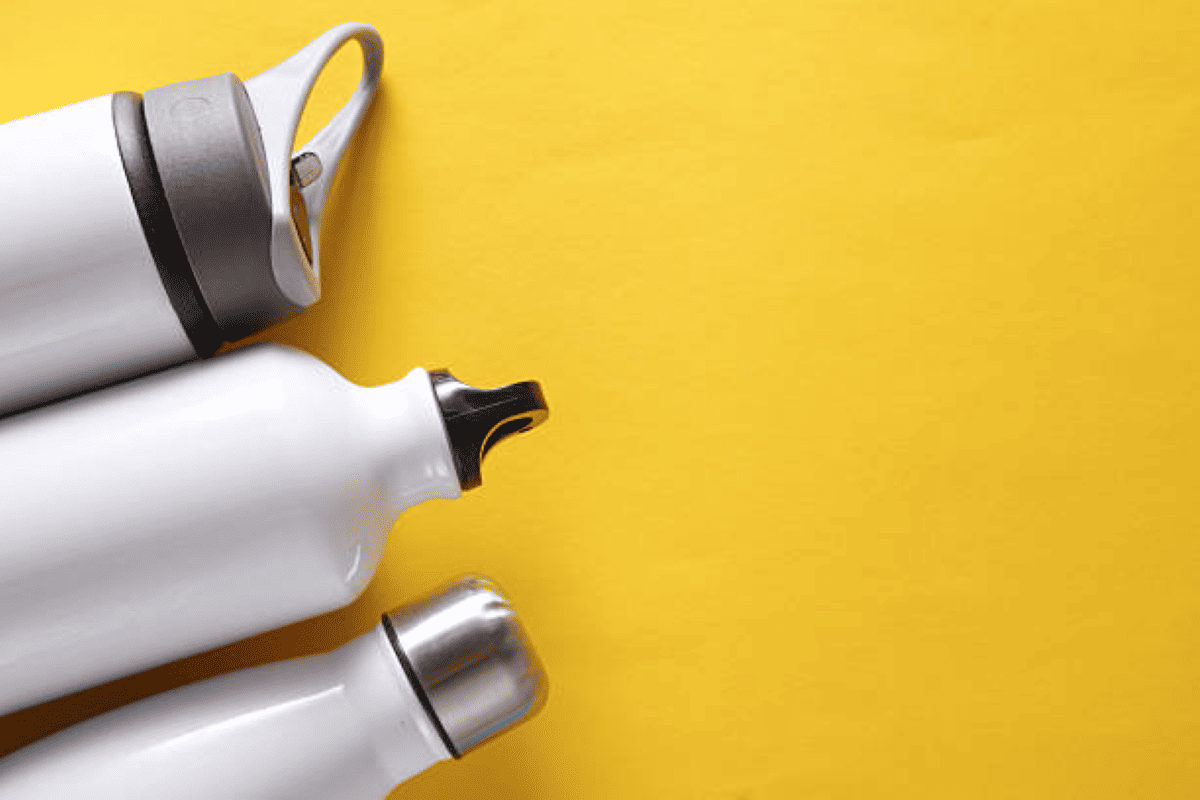
In B-end water bottle procurement, material selection is a key factor affecting product safety, user experience and market acceptance. For corporate customers who value brand reputation and end-user health, understanding which is the safest water bottle material and evaluating its applicable scenarios, service life, and customization compatibility is an important basis for making purchasing decisions.
Here, we will systematically analyze the five currently recognized safest water bottle material – stainless steel, Tritan plastic, borosilicate glass, silicone and aluminum from four dimensions: material safety, international market preference, functional performance and customization space, to help you accurately locate the optimal solution required for the project.
Safest water bottle material refers to a material that does not release harmful substances, has heat/corrosion resistance, is easy to clean and can be used repeatedly under normal or high-frequency use environments. It not only meets international standards for food contact materials (such as FDA, LFGB, REACH), but also ensures the health of users’ drinking water, extends the product life cycle, and reflects the brand’s social responsibility.
The most popular high-end safe material
Stainless steel, especially 304 or 316 food-grade stainless steel, is one of the most frequently used and best-received water cup materials in B-end procurement. It has a stable structure and high strength, and is widely used in thermos cups, coffee cups, sports water bottles and other categories.
Advantages: food-grade safety, no heavy metal release; strong heat preservation ability (double-layer vacuum structure can keep heat for 12h+); flexible customization: support spraying, electrolysis, UV printing, laser engraving and other processes; high-end texture: metallic luster enhances brand positioning
Disadvantages: higher cost than plastic materials; the cup body is heavier, not suitable for children or ultra-light scenes; microwave ovens are prohibited, and high-frequency electromagnetic environments must be avoided
Applicable scenarios: brand gifts, high-end retail, office, sports and outdoor, event commemoration
As one of the safest water bottle material, stainless steel water bottle is the first choice for brands pursuing health and texture.
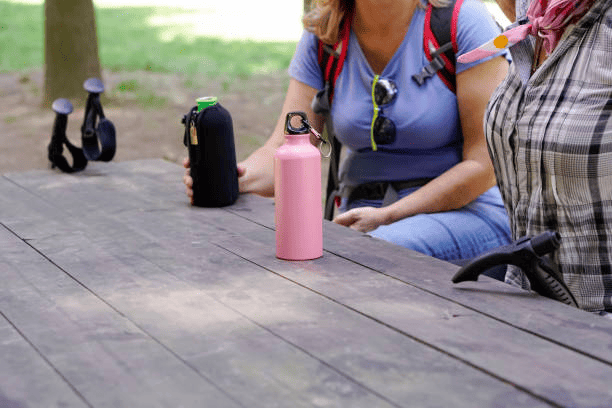
Developed by Eastman Company in the United States, Tritan is a food-grade plastic with great growth in the international market in recent years. It is transparent, heat-resistant and strong, and is the preferred material for many high-end plastic water bottles.
Advantages: BPA/BPS-free, FDA/EFSA certified; similar in appearance to glass, but much more shatter-resistant than glass; can be used for children’s products, environmentally friendly, lightweight and safe; cost is between ordinary plastic and stainless steel, suitable for the mid-priced market
Disadvantages: Exposure to the sun or contact with strong acid can easily affect the service life; the surface is easy to scratch, and the durability of the printed pattern requires a coating or UV layer
Applicable scenarios: schools, parent-child projects, gyms, promotional gifts, environmental theme activities
For customers who pay attention to safety and need visual beauty, Tritan is undoubtedly the most flexible type of safest water bottle material.
Borosilicate glass has become a hot choice for many light luxury brands, e-commerce brands and tea brands with its extremely high chemical stability and visual transparency. Especially in the Japanese, Korean and Nordic markets, glass cups are very popular among users.
Advantages: completely harmless, odorless, non-migrating, a truly “zero-additive” material; high temperature resistant, microwaveable, suitable for tea and beverage brewing; in line with environmental protection concepts, recyclable and reusable
Disadvantages: fragile, high transportation costs and packaging requirements; customized LOGO requires baking and transfer, and the complexity of the pattern is limited
Applicable scenarios: tea and beverage peripherals, cultural and creative e-commerce, gift box sets, household items
For brands that pursue a natural and pure experience, glass is one of the safest water bottle material that cannot be ignored.
Silicone has the characteristics of being soft and foldable. It is a new material for water cups that is both practical and environmentally friendly. In recent years, it has quickly become popular in the European, American and Australian markets, especially in outdoor and camping scenes.
Advantages: Heat resistant up to 200°C, can be cleaned in microwave/hot water; soft to the touch, suitable for children and hiking market; foldable, extremely portable, easy to transport and store
Disadvantages: Soft structure makes it difficult to stand; color selection requires high-temperature silicone raw materials, increasing customization costs; easy to absorb odors after long-term use
Applicable scenarios: camping gifts, parent-child projects, sustainable charity activities
If your customers are concerned about the convenience of carrying and environmental protection, silicone water cups are undoubtedly the safest water bottle material suitable for customization.
Aluminum water bottles are widely loved by cycling, travel, and outdoor products due to their light physical properties. But their safety depends largely on the food-grade coating on the inner layer.
Advantages: The cup body is ultra-light, suitable for hiking/cycling/biking activities; the surface is rich in color and easy to customize in full color; the cost is relatively controllable, suitable for low- and medium-priced market promotion
Disadvantages: Aluminum itself is not a food-safe material and depends on the quality of the coating; it does not have heat preservation properties and is suitable for cold drinks or room temperature water; if the inner coating is damaged, there is a risk of metal migration
Applicable scenarios: cycling events, sports promotion, environmental protection activities, flash gifts
Although aluminum cups are not necessarily the top safest water bottle material, their balance between cost and portability is worth considering in outdoor scenes.
| Market Region | Preferred Materials | Key Influencing Factors |
|---|---|---|
| North America | Stainless Steel, Tritan, Silicone | Driven by ESG values, focus on reusability and BPA-Free standards |
| Europe | Stainless Steel, Glass | Strict regulations, strong recycling systems |
| Middle East | Stainless Steel, Aluminum | High-temperature climates, frequent outdoor usage |
| Japan / South Korea | Tritan, Glass | Preference for minimalist design and safety-focused features |
We support B-end batch customization of the following five types of materials, covering OEM, ODM, printing and packaging one-stop solutions:
✅ Stainless Steel water bottle(304/316 double-layer/single-layer)
✅ Tritan (BPA-Free, high transparency)
✅ Borosilicate Glass (supports tea strainer and cup sleeve accessories)
✅ Food-Grade Silicone (foldable structure)
✅ Aluminum with liner (both spraying and pad printing are possible)
And has passed FDA, LFGB, BSCI, ISO9001 and other international certifications. Click here to learn more about customized services.
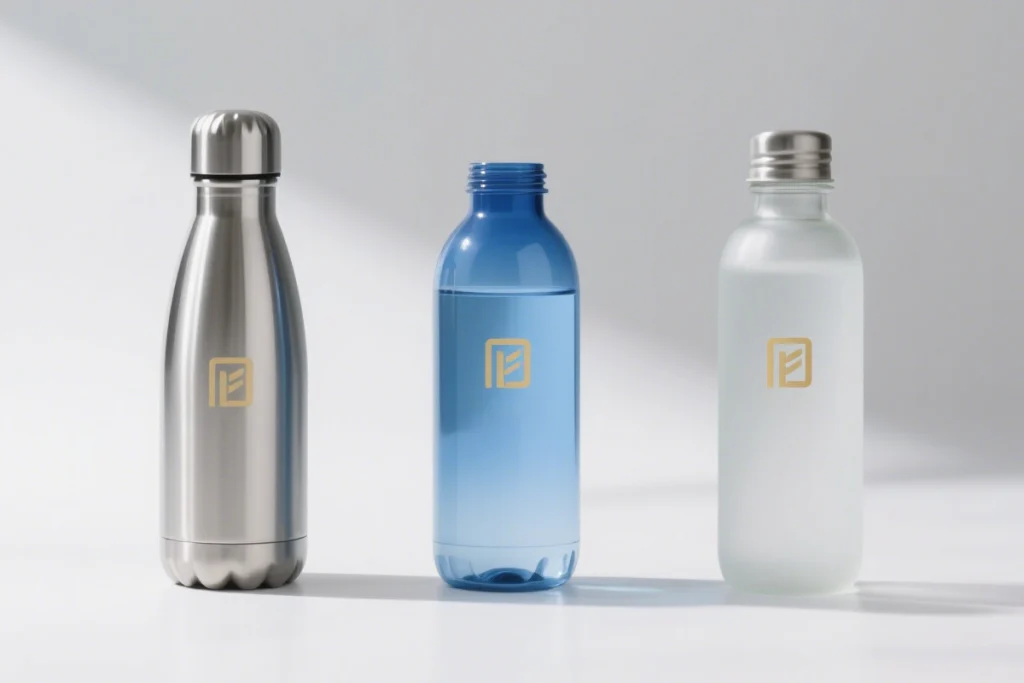
Finally: Only when the safest material is chosen correctly can the brand value be truly seen by users
Choosing the wrong water bottle material may mean printing shedding, odor residue, user complaints, and even damage to brand reputation. Truly understanding the standards of safest water bottle material and making scientific decisions based on your own project needs is the professional starting point for B-end procurement.
If you would like to get sample suggestions or one-on-one material selection suggestions, please contact us by sending an email to: info@doyounghydro.com. We will use our 25 years of industry experience to help you make your water cup customization project more professional and assured.